41 3 laws of robotics
3 Laws Robotics - Engineered Autonomy Solutions The principals of 3-Laws Robotics are scientists and engineers with extensive experience in the operations, systems and software/firmware of autonomous systems. They are recognized experts at the forefront of research and engineering developments in these areas. Several also have clearances to work on sensitive projects. What are Issac Asimov''s three laws of robotics? Are they ... the three laws are - and it is important to get them in order - 1 - a robot may not injure a human being, or, through inaction, allow a human being to come to harm. 2 - a robot must obey the orders...
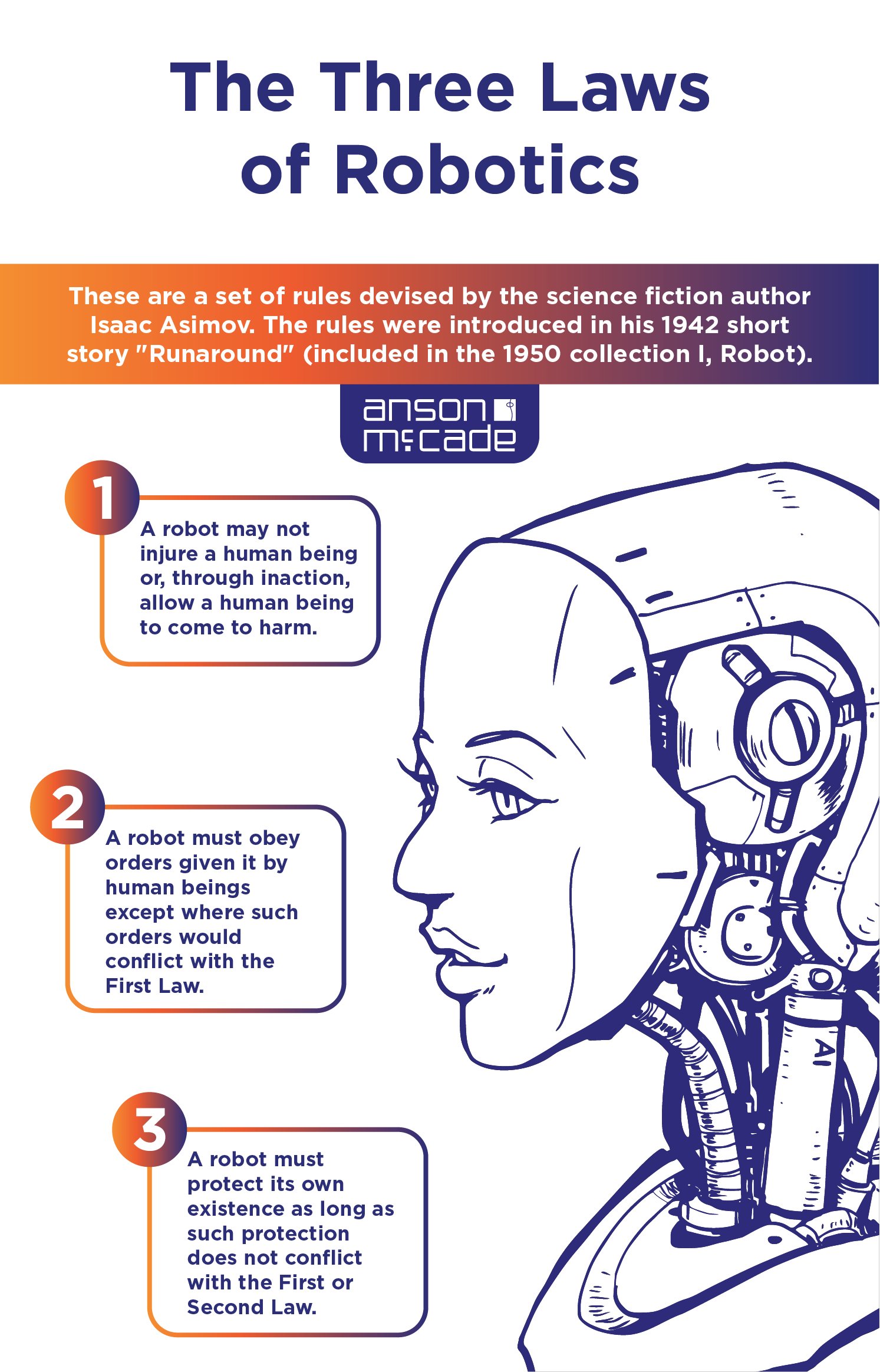
Isaac Asimov's "Three Laws of Robotics" - Auburn University A robot may not injure a human being or, through inaction, allow a human being to come to harm. A robot must obey orders given it by human beings except where such orders would conflict with the First Law. A robot must protect its own existence as long as such protection does not conflict with the First or Second Law. The List of Lists
3 laws of robotics
Three Laws of Robotics ( Complete Details) - Thordrc Three Laws of Robot ics Asimov's gives rules to safeguard people against robotic interactions. They are: A robot cannot hurt a person or enable a person to harm via inactivity. A robot must obey human beings' guidance unless such commands contradict the first law. 3 Laws of Robotics | Board Game | BoardGameGeek 3 Laws of Robotics is a lively deduction game for 4-8 players in which you know everyone's information except your own! Each round, you ask a single question to try to figure out who is on your side, being sure to obey the laws as they're added. Ask the right questions, find your team, and boot up victorious in 3 Laws of Robotics! Session 3. Shaping a Disciplinary Response in Robotics ... TOPICS. In light of the articulation of ethical questions and challenges in Session 1, and the clarification of issues around development and testing in Session 2, the last panel asks robotics and funding experts for guidance in shaping a disciplinary response in robotics to ethical issues of LAWS.
3 laws of robotics. After 75 years, Isaac Asimov's Three Laws of Robotics need ... The Three Laws Asimov's suggested laws were devised to protect humans from interactions with robots. They are: A robot may not injure a human being or, through inaction, allow a human being to come... Three Laws of Robotics - Wikipedia The Three Laws, quoted from the "Handbook of Robotics, 56th Edition, 2058 A.D.", are: First Law A robot may not injure a human being or, through inaction, allow a human being to come to harm. Second Law A robot must obey the orders given it by human beings except where such orders would conflict with the First Law. Third Law The Three Laws of Robotics in the Age of Big Data The most famous feature of these robot stories is Asimov's three laws of robotics that were built into every robot's positronic brain. The three laws are: First Law: "a robot may not injure a human being, or, through inaction, allow a human being to come to harm." Second Law: "a robot must obey the orders given it by human beings except where ... The 3 Laws that Stop Robots From Taking Over The World Isaac Asimov's 3 laws of robotics are as follows: A robot may not injure a human being or, by failing to act, allow a human being to come to harm. A robot must obey orders given to it by human beings, except where carrying out those orders would break the First Law.
What Are Three Laws Of Robotics? - Programming & Design Issac Asimov proposed the Three Laws of Robotics in order to alleviate this problem. These laws state: 1) A robot cannot harm a human being, or, if it does not act, allow a human being to do so. In order for a robot to be protected, it must not conflict with the First or Second Laws. The Mystical Three Laws of Robotics - Automated Curiosity It must have some sort of safety mechanism to protect the user. The user could obviously get injured regardless of the security protocols, but this should be because of the user's negligence, not a design fault in the tool. Law 2 A tool should always perform its function, but not in cases where that function could harm the user. Three Laws of Robotics | Asimov | Fandom A robot may not injure a human being or, through inaction, allow a human being to come to harm. A robot must obey orders given to it by human beings except where such orders would conflict with the First Law. A robot must protect it's own existence as long as such protection does not conflict with the First or Second Law. Three laws of robotics and surgery - PubMed His First Law states: "A robot may not injure a human being, or, through inaction, allow a human being to come to harm. " This philosophy would directly conflict with the application in surgery. In fact, most of his robotic stories deal with robots that come into conflicts with the laws.
The three laws of robotics by (STUDENT) Ananya Rao ... The 3 laws of robotics By Wyatt and Ananya Who is Issac Asimov Issac Asimov 1920-1992 was one of the most famous sci-fi author for the first half of the 20th century in the U.S. Issac Asimov was born in Petrovichi, Russia and came to the U.S. when he was 3 years old. In 1942, he Three Laws of Robotics - Halopedia, the Halo wiki The Three Laws of Robotics are conditions to which artificial intelligences are subject to: A robot may not injure a human being or, through inaction, allow a human being to come to harm. A robot must obey any orders given to it by human beings, except where such orders would conflict with the First Law. Isaac Asimov and the Three Laws of Robotics - SciHi ... The Three Laws of Robotics 1.A robot may not injure a human being or, through inaction, allow a human being to come to harm. 2. A robot must obey the orders given to it by human beings, except where such orders would conflict with the First Law. 3. Isaac Asimov's Laws of Robotics Are Wrong - Brookings Asimov's laws initially entailed three guidelines for machines: Law One - "A robot may not injure a human being or, through inaction, allow a human being to come to harm." Law Two - "A robot must...
Isaac Asimov's 3 laws of robotics by Chloe Ebelhar - AHS 2023
Three Laws of Robotics | Intelligent Robots The Three Laws of Robotics, often shortened to The Three Laws or Three Laws, are a set of three rules written by science fiction author Isaac Asimov and later expanded upon. The rules are introduced in his 1942 short story "Runaround" although they were foreshadowed in a few earlier stories.

Where are the robots?. - ppt download
What are Asimov's Three Laws Of Robotics? - Definition ... Asimov's Three Laws are as follows: A robot may not injure a human being or allow a human to come to harm. A robot must obey orders, unless they conflict with law number one. A robot must protect its own existence, as long as those actions do not conflict with either the first or second law.
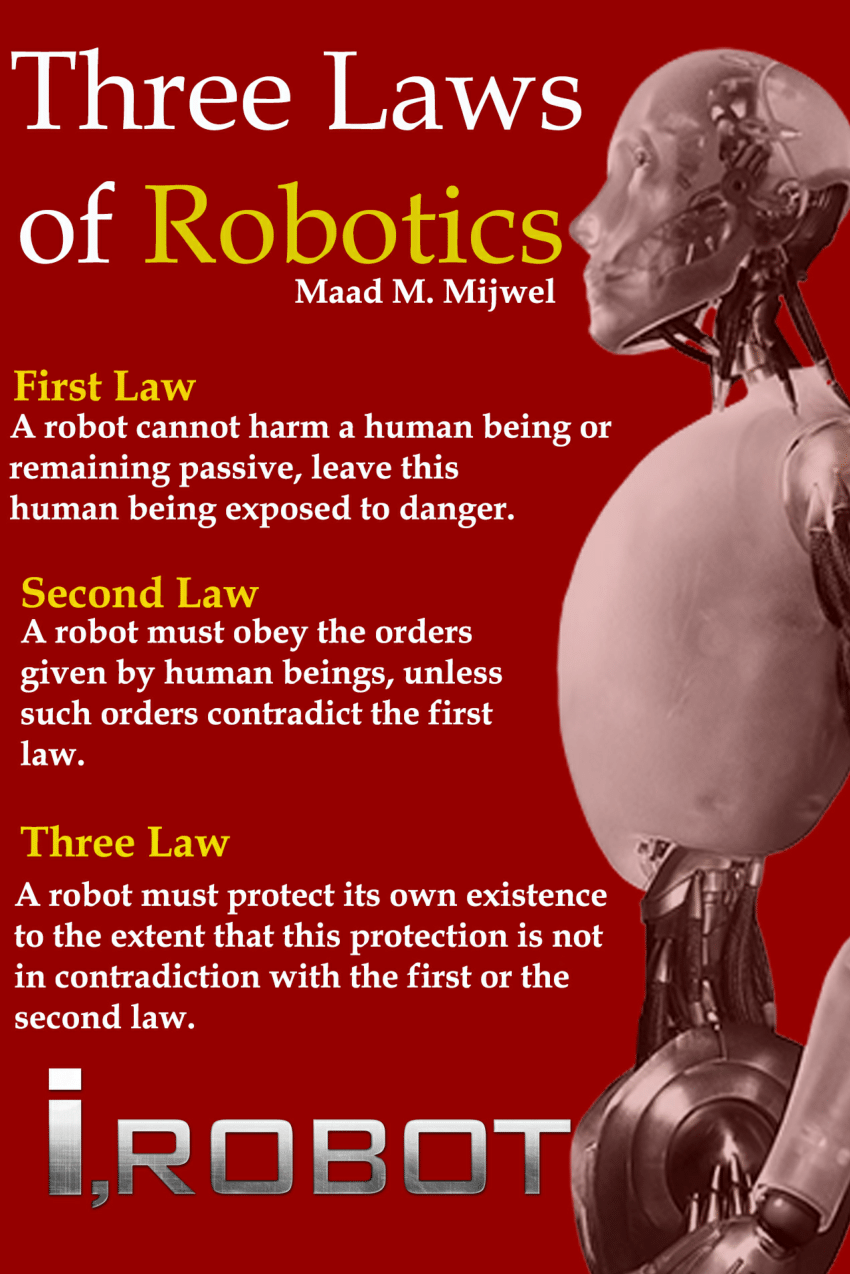
PDF) Three Laws of Robotics poster
Three Laws of Robotics - Conscious Entities The three laws, which play a key part in many robot-based short stories by Asimov, and a somewhat lesser background role in some full-length novels, are as follows. They have a strict order of priority. A robot may not injure a human being or, through inaction, allow a human being to come to harm. A robot must obey the orders given to it by ...
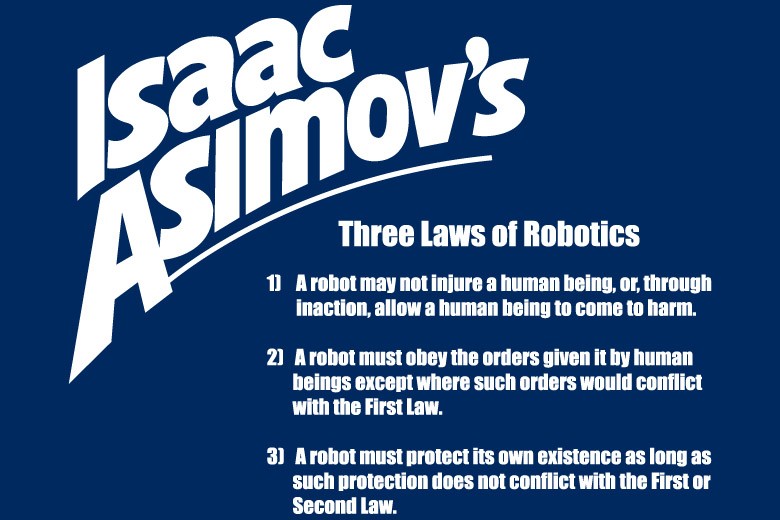
The three laws of robotics Archives - New World : Artificial ...
What Are the 3 Laws of Robotics? And Do We Adhere to Them ... One such author was Isaac Asimov, who, in his works, defined the Three Laws of Robotics. To him and to the audience of his time, all of that was science-fiction. Considering the stories taking ...
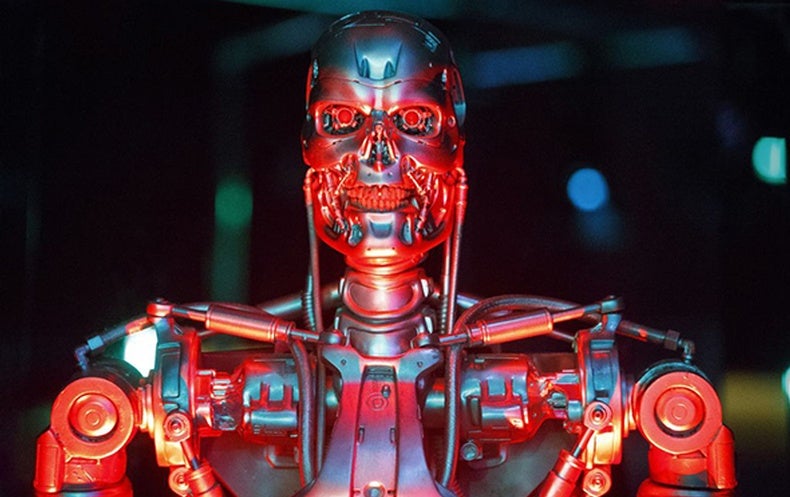
Asimov's Laws Won't Stop Robots from Harming Humans, So We've ...
Three Laws of Robotics - Prometheus Blog Recent Posts. Robot rights, practical autonomy and character-driven comedy: An appreciation of Mark Stanley's webcomic Freefall, the 2017 Special Prometheus Awardwinner
The Three Laws of Robotics' by Asimov-Club on DeviantArt
3 Laws of Robotics - Robotics - Tank Top | TeePublic 3 Laws of Robotics Tank Top. Robotics Tank Top. Designed and Sold by Superhero_Suite Asimov's famous three laws of robotics in actual programming code. Color: White. Style: Size: S M L XL 2XL. Fit: Male Fit Female Fit. View Size Chart $13 $20. Add To Cart Save 35% for the next: Days Hours Mins Secs Don't love it? We'll fix it. ...
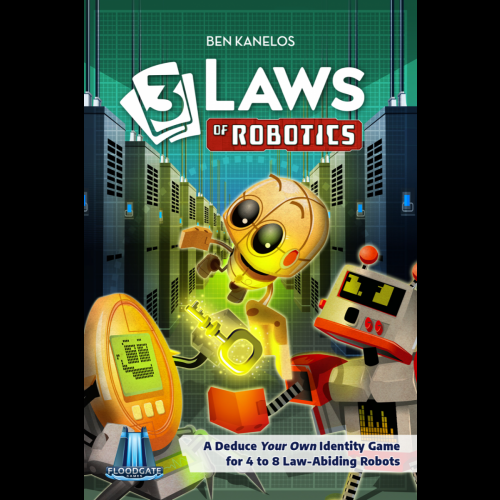
3 Laws of Robotics
Three Laws of Robotics | concept by Asimov | Britannica Asimov's famous Three Laws of Robotics are as follows: " (1) a robot may not injure a human being or, through inaction, allow a human being to come to harm; (2) a robot must obey the orders given it by human beings except where such orders would conflict… Read More

Why Asimov's Laws of Robotics Should Be Updated For the 21st ...
Where did the Three Laws of Robotics come from ... The best known set of laws are Isaac Asimov's "Three Laws of Robotics". These were introduced in his 1942 short story "Runaround", although they were foreshadowed in a few earlier stories. The Three Laws are: A robot may not injure a human being or, through inaction, allow a human being to come to harm.
In terms of machine ethics, what are the flaws of Asimov's ...
Laws of robotics - Wikipedia The Three Laws are: A robot may not injure a human being or, through inaction, allow a human being to come to harm. A robot must obey the orders given it by human beings except where such orders would conflict with the First Law. A robot must protect its own existence as long as such protection does not conflict with the First or Second Laws.
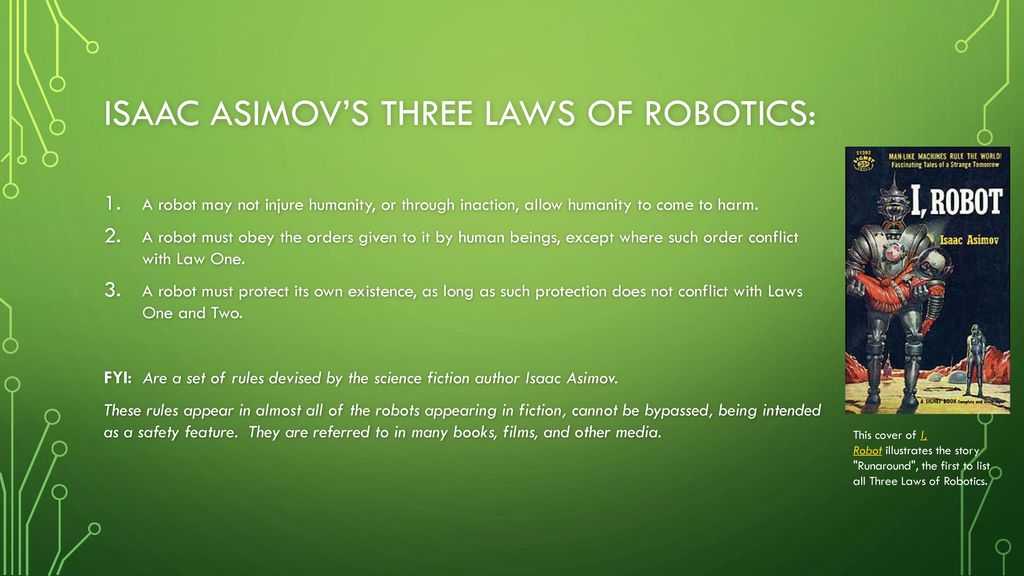
Three Laws of robotics February 22, ppt download
PDF Three Laws of Robotics' and Machine Metaethics Three Laws immoral. (4) Even if the machines that are actually developed fall short of being like Andrew and should probably not be considered to have moral standing/rights, it is still problematic for humans to program them to follow the Three Laws of Robotics. From (3) and (4), we can conclude that (5) whatever the status
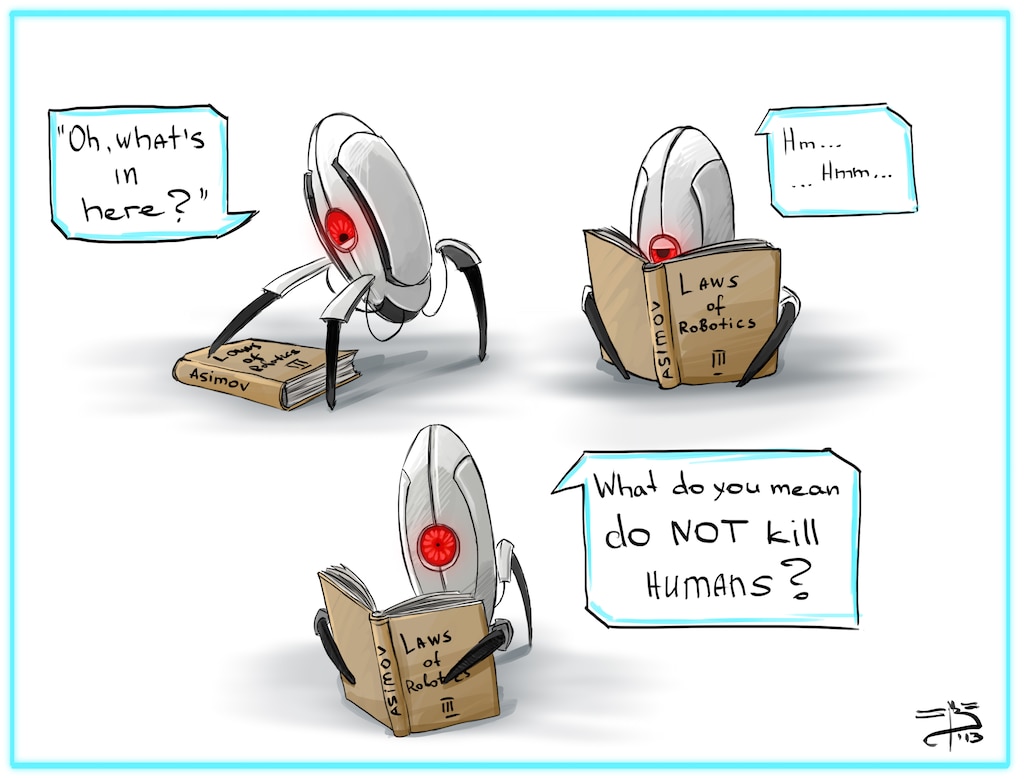
Steam-fællesskab :: :: Three Laws of Robotics
Explanation of the 3 Laws of Robotics - Futurite "A robot may not injure a human being or, through inaction, allow a human being to come to harm." "A robot must obey the orders given it by human beings except where such orders would conflict with the First Law." "A robot must protect its own existence as long as such protection does not conflict with the First or Second Laws."
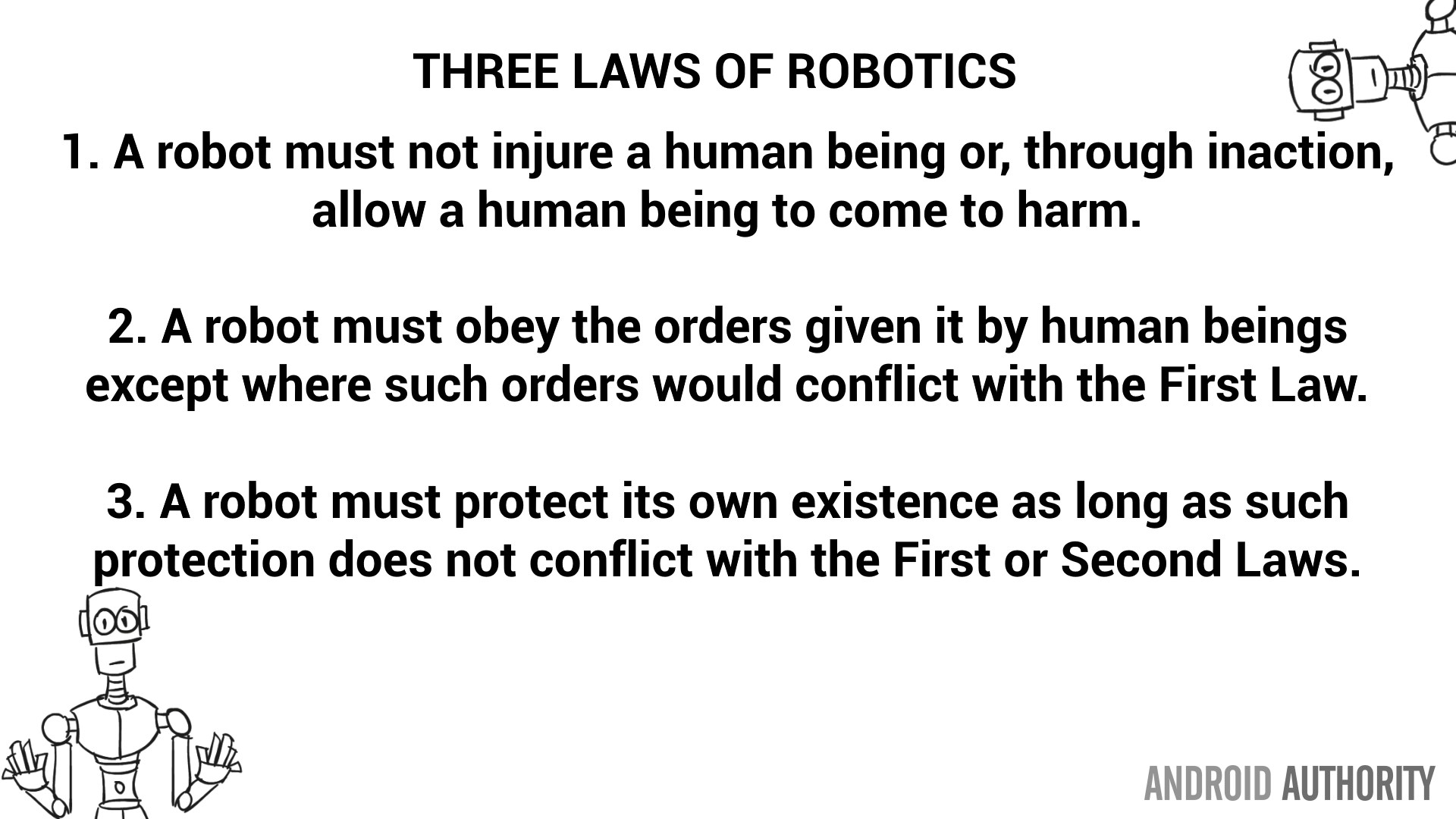
Why the three laws of robotics won't save us from Google's AIs
Session 3. Shaping a Disciplinary Response in Robotics ... TOPICS. In light of the articulation of ethical questions and challenges in Session 1, and the clarification of issues around development and testing in Session 2, the last panel asks robotics and funding experts for guidance in shaping a disciplinary response in robotics to ethical issues of LAWS.

i, robot isaac asimov - classic science fiction stories
3 Laws of Robotics | Board Game | BoardGameGeek 3 Laws of Robotics is a lively deduction game for 4-8 players in which you know everyone's information except your own! Each round, you ask a single question to try to figure out who is on your side, being sure to obey the laws as they're added. Ask the right questions, find your team, and boot up victorious in 3 Laws of Robotics!
Three Laws Of Robotics Wikipedia - Mobile Legends
Three Laws of Robotics ( Complete Details) - Thordrc Three Laws of Robot ics Asimov's gives rules to safeguard people against robotic interactions. They are: A robot cannot hurt a person or enable a person to harm via inactivity. A robot must obey human beings' guidance unless such commands contradict the first law.
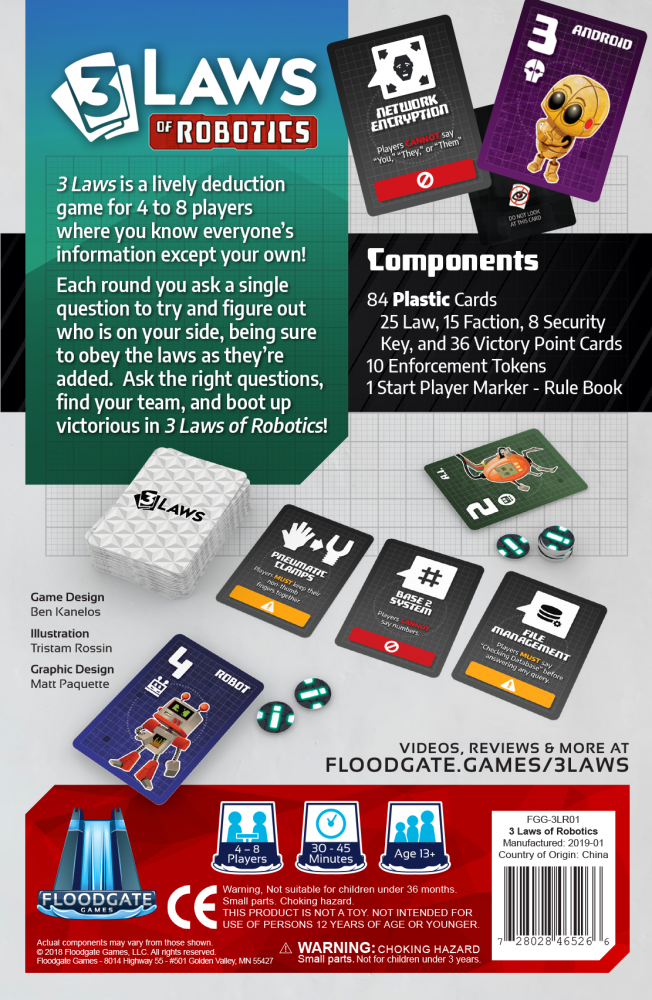
3 Laws of Robotics - Karetní hry | Planeta Her

The Three Laws of Robotics Rules Science Fiction SciFi Geeky Inventor Handbook of Robotics Reference Chart Sign Black Wood Framed Art Poster 14x20

Amazon.com: Robotics: Way To Become Specialist: 3 Laws Of ...
Which writer was responsible for 'The Three Laws of Robotics ...
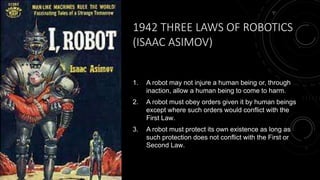
Isaac Asimov and the 3 Laws of Robotics
/Images/three%20laws%20in%20box.png)
The Three Laws

What Is Robot?: The Basic And Essential Tutorials: 3 Laws Of Robotics (Paperback)
isaac asimov 3 laws of robotics line icon vector illustration ...

The Laws of Robotics — the urban engine
Asimov's laws of robotics are nonsense | by Wesley Abbey | Medium

Overview of general robotic laws and ethical concerns ...

What Are Asimov's Three Laws of Robotics?

Asimov's Three Laws of Robotics poster. @Mark Topp | Autumn ...

3 Robot Laws | Who Created the Rules of Robotics
Isaac Asimov 3 Laws of Robotics Line Icon Vector Illustration ...

3 Laws of Robotics Game Review — Meeple Mountain

Elvex Robot Storyboard o d2b7c2a0

Stock vektor „Isaac Asimov 3 Laws Robotics Color“ (bez ...

Buy 3 Laws of Robotics - Card Game Online in Vietnam. B07MQBTR2F
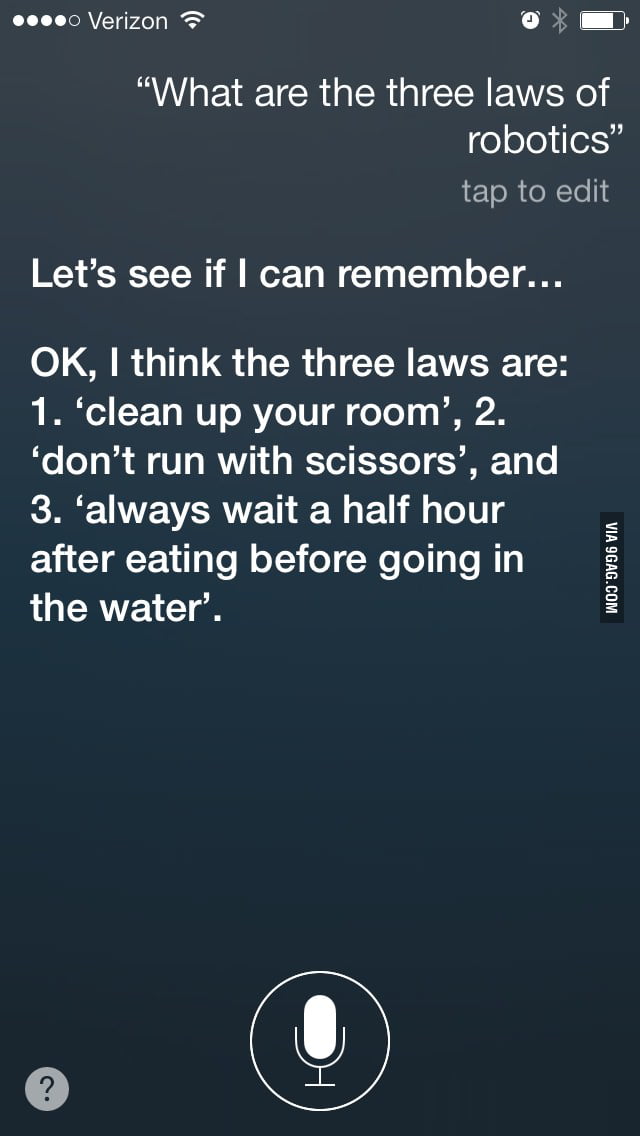
Siri, what are the three laws of robotics? - 9GAG
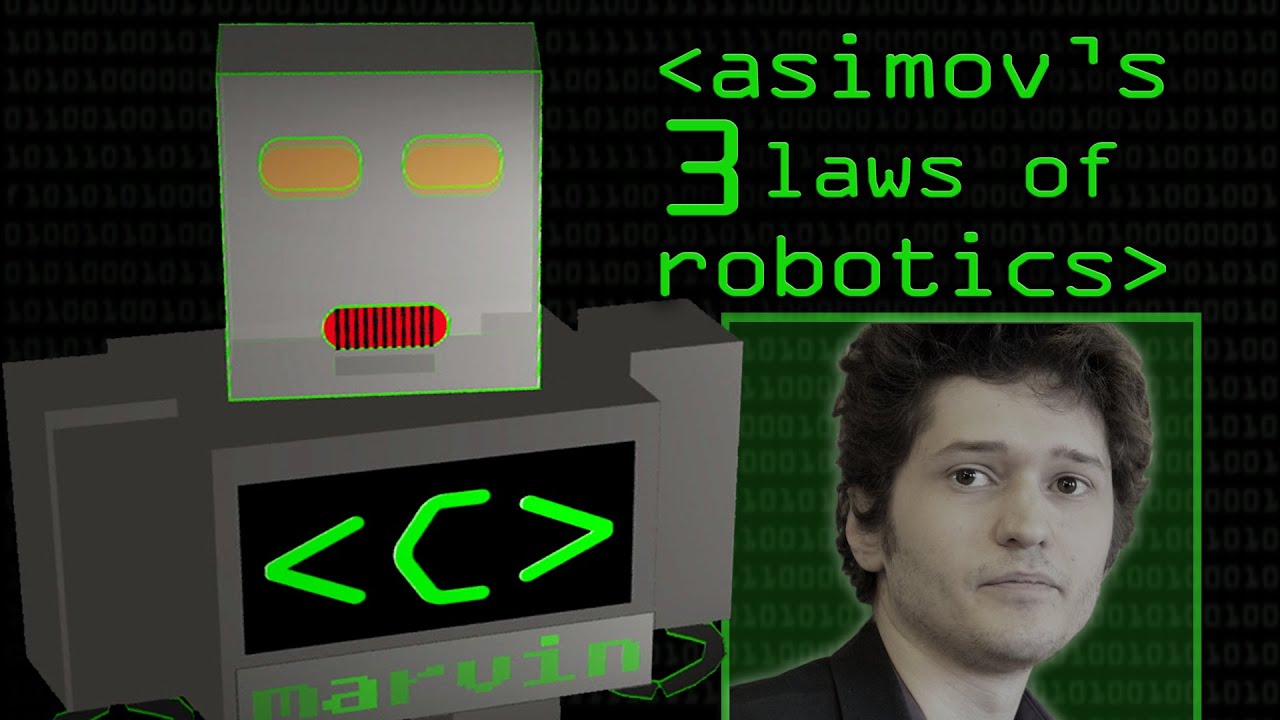
Why Asimov's Laws of Robotics Don't Work - Computerphile

ROBOTICS Introduction to Robotics Robot Definition and ...

Artificial Intelligence - The Three Laws of Robotics - Isaac ...

Rethinking AI Ethics - Asimov has a lot to answer for
Anson McCade AUS on Twitter: "The 3 Laws of #Robotics #AI ...
Isaac Asimov and the 3 Laws of Robotics

ROBOTICS Unit 7 What is a robot?. - ppt download
0 Response to "41 3 laws of robotics"
Post a Comment